
 Home Signal explainer desk15 September 2026
Since 30 April 2024, a camera anywhere inside an Airbnb listing gets the listing removed. And privacy law stops covering you the moment a property is let, whether for a weekend or for three years.
So when something goes wrong, what does a host actually have? In the real cases below, the hosts who won had a record with times on it. The hosts who lost had a neighbour's phone call.
First, what counts as evidence and what is allowed. Then eight real cases. Then how each kind of record works, in plain terms.
Since 30 April 2024, a camera anywhere inside an Airbnb listing gets the listing removed. And privacy law stops covering you the moment a property is let, whether for a weekend or for three years.
So when something goes wrong, what does a host actually have? In the real cases below, the hosts who won had a record with times on it. The hosts who lost had a neighbour's phone call.
First, what counts as evidence and what is allowed. Then eight real cases. Then how each kind of record works, in plain terms.
Since 30 April 2024, a camera anywhere inside an Airbnb listing gets the listing removed. And privacy law stops covering you the moment a property is let, whether for a weekend or for three years.
So when something goes wrong, what does a host actually have? In the real cases below, the hosts who won had a record with times on it. The hosts who lost had a neighbour's phone call.
First, what counts as evidence and what is allowed. Then eight real cases. Then how each kind of record works, in plain terms.
Occupancy evidence is a timestamped record that a space was entered or in use, such as a lock log, a door sensor or a presence sensor, that shows when without recording who or what they did.
Every indoor camera, anywhere in the listing, even switched off. Letting is also a business, so the privacy-law exemption for filming your own home no longer applies.
A lock that records which code opened the door, a sensor that records a door opening, a sensor that records a room in use. No picture, no sound, nothing about who.
None of the people in these cases used Shelly products or were paid for their accounts. Each one is quoted from a public post, and every source is linked in full.
A guest review claimed they had not stayed a single night. The host uses a keyless lock that gives each booking its own code, valid only for those dates.
The log showed that code used at 9:24 pm on the first night and again just after midnight. The door was locked from the inside at 12:09 am. There was another entry at 3:48 am and an unlock from the inside at 5:08 am. The guests' own checkout message is in the booking thread.
When he posted, the platform had declined two removal requests. But the argument was no longer his word against theirs.
“Smart-lock logs show the guests' unique access code (active only for this reservation) used on both nights.”
This host did not hear about the party from a neighbour or read about it in a review. A sensor that measures sound level and occupancy, without recording audio or video, sent the first alert at about 11 pm.
They went straight to the property and found more than 40 people who were not on the booking.
“I immediately attended the property and found over 40 unauthorized people partying in my home.”
The guest booked for herself and three friends. What followed was a party with many more people, smoking inside and vomit in several rooms. The host found out from what was left behind.
The strongest evidence was not theirs: the shop opposite had video of people from the property stealing alcohol. In the end the guest agreed to pay for two extra hours of cleaning. Nothing more was recovered.
The listing allowed ten and banned parties. On arrival day the cleaning crew thought far more than ten people had checked in. The host sent a reminder about the limit.
At 11 pm a neighbour rang: a huge party, at least thirty people, and they were about to call the police. Every warning that night came from someone who happened to be nearby. The host was left deciding whether to evict at midnight and risk the property.
Four more, in brief
| Source | What happened | The number |
|---|---|---|
| Fox News, Seven Hills, Ohio, New Year's Eve 2018 | One room booked at 40 dollars a night. The guest sold 5-dollar tickets online, over 200 people came, and five police departments responded. | $10,000+ damage |
| Airbnb Community, “Chinyere13”, Jun 2026 | Booked for two, three came in overnight, and the front door was left unlocked on arrival and again at checkout. | police involved |
| Airbnb Community, “Tuğkan-Berke0”, Jan 2026 | The host's evidence won a damage claim. The guest's retaliatory review was removed a month later, after a senior case manager checked the timeline. | claim upheld |
| Airbnb Community, “Rick6499”, Aug 2025 | More guests arrived than the ten booked. The extra-guest fee in the house rules was never collected. | $50 a night |
The hosts with a record argued about facts. The hosts without one argued about whose word counted.
Every person gets their own digital key or code, and the lock writes down which one opened the door and when. Access can end automatically on the day a booking ends. Nothing about what anyone looks like is recorded. This is the record in the first case.
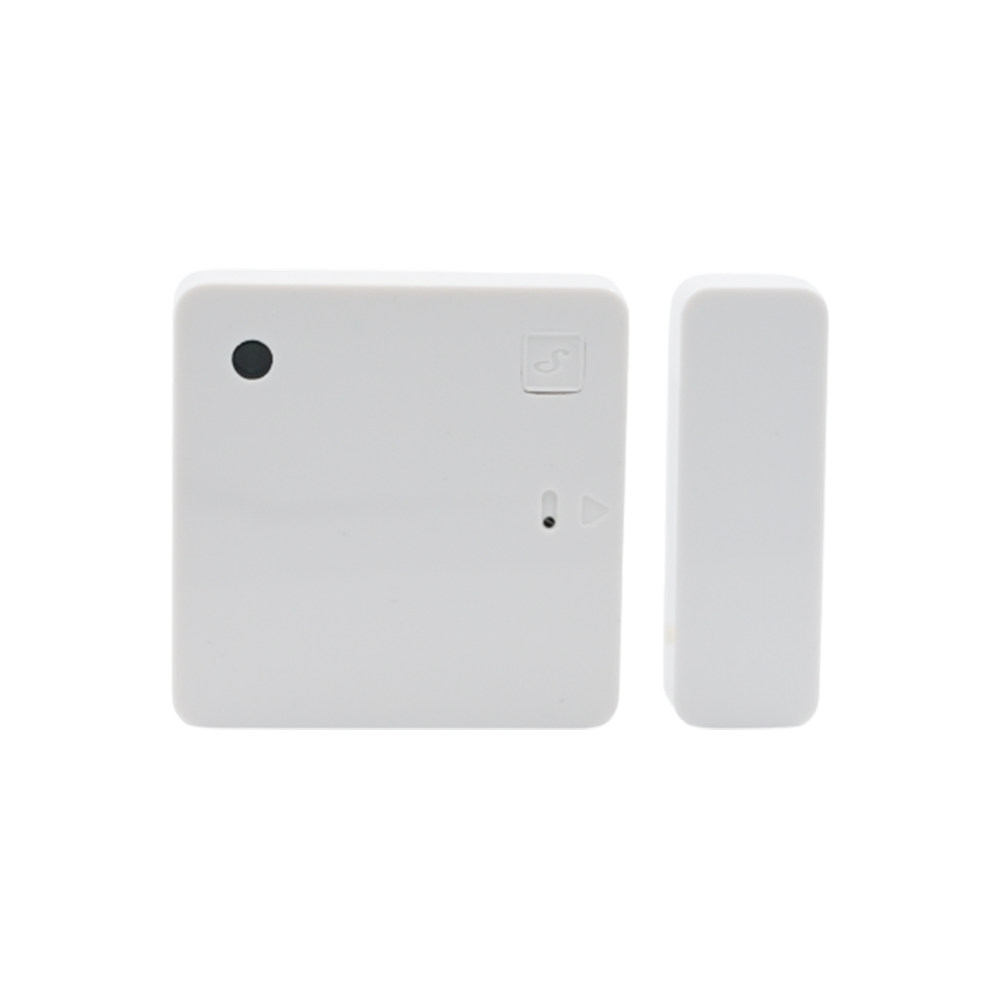
A small magnet on the door and a sensor on the frame. When the two part, the sensor records the time. Three opens after midnight on a quiet booking is a fact, not a feeling.
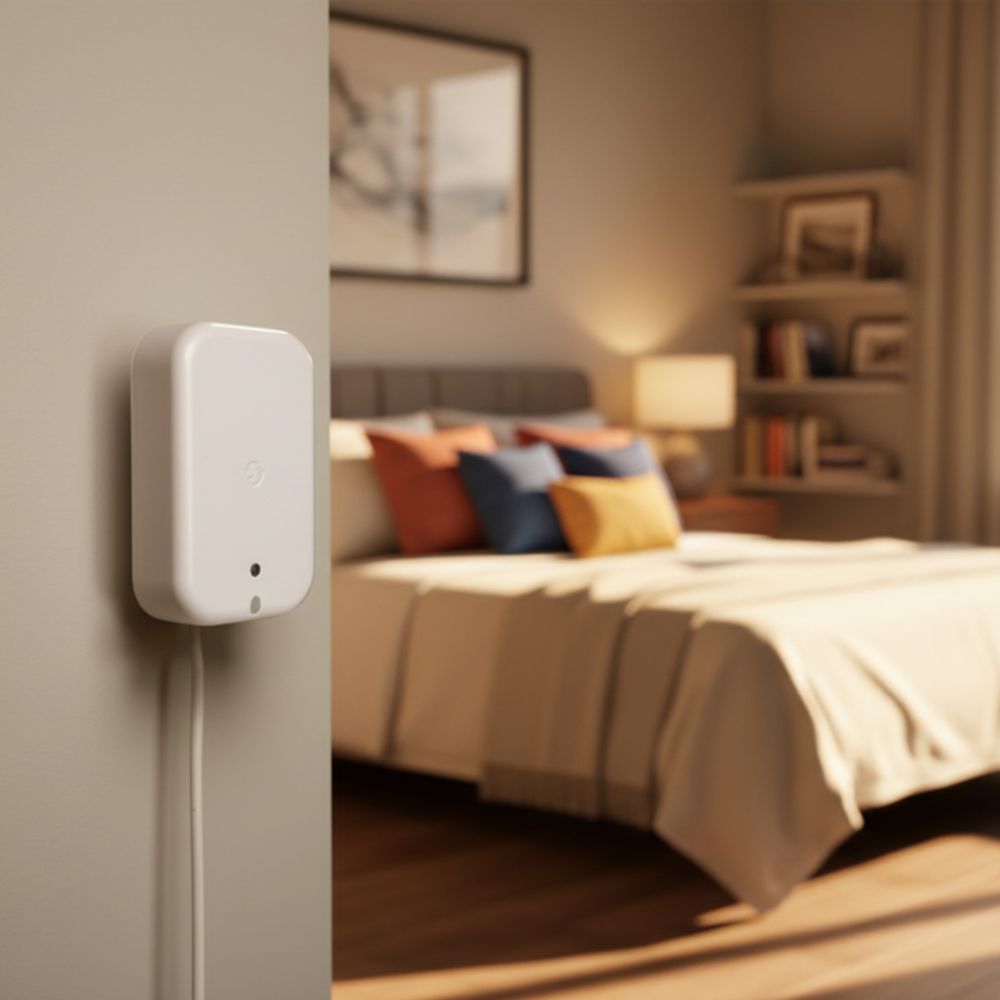
Radar that picks up the small movements of a person, even one sitting still. It records that a room is in use, and from when to when. It makes no image and no sound, and it cannot tell who is there or how many.
No lawful sensor counts guests. The host who found 40 people found them by going there after an alert. A sensor tells you when to look. It does not replace looking.
Video feels like the only evidence that counts.
It turned "we never stayed" into five timed entries from a code that existed only for that booking.
Neighbours do call.
At 11 pm, with at least thirty people inside and the police on the way.
It knows someone is in the room.
It tells you a room is in use and when. Knowing how many still means going there, or asking.
A monitored alarm feels like security.
At 20 to 40 euros a month, forever, and you own nothing when you cancel.
Changing a lock is on top: locksmiths charge roughly 80 to 150 EUR for a euro cylinder. The sensors do not stop that. The smart lock offered after the kit does.
The kit below is one way to do it, from Shelly, the smart-home maker behind this sponsored explainer, A presence sensor for the living room and two door sensors, with a LOQED smart lock for the front door offered straight after. Declare all of it in the listing and the house rules.
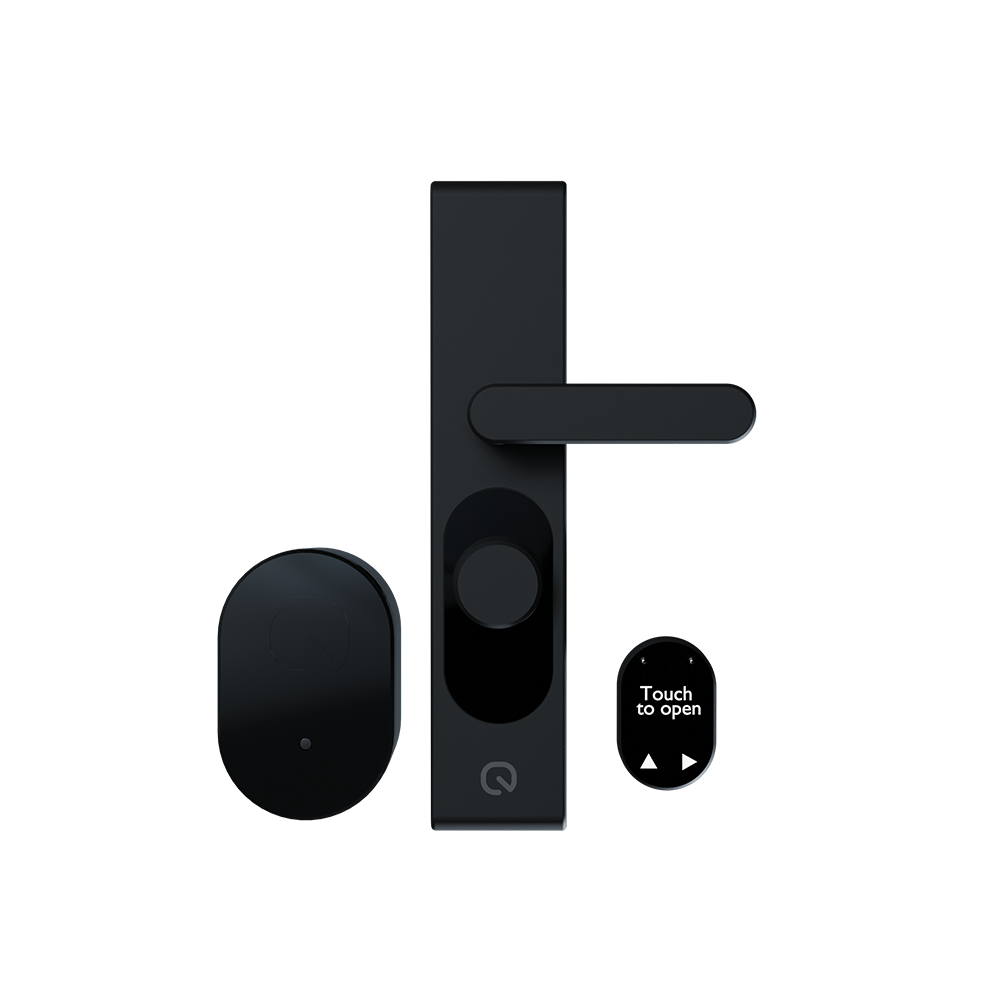
If you want to act on this
The presence sensor tells you the flat is occupied, and when. The two door sensors put a time on every open and close. 86.45 EUR against 101.70 bought separately, no monthly fee. The smart lock is offered on the next page, below its shop price.
The sensor does not count people and nothing lawful will; it tells you a room is in use and when.
"The Presence Gen 4 is fast and accurate, the interface is convenient."
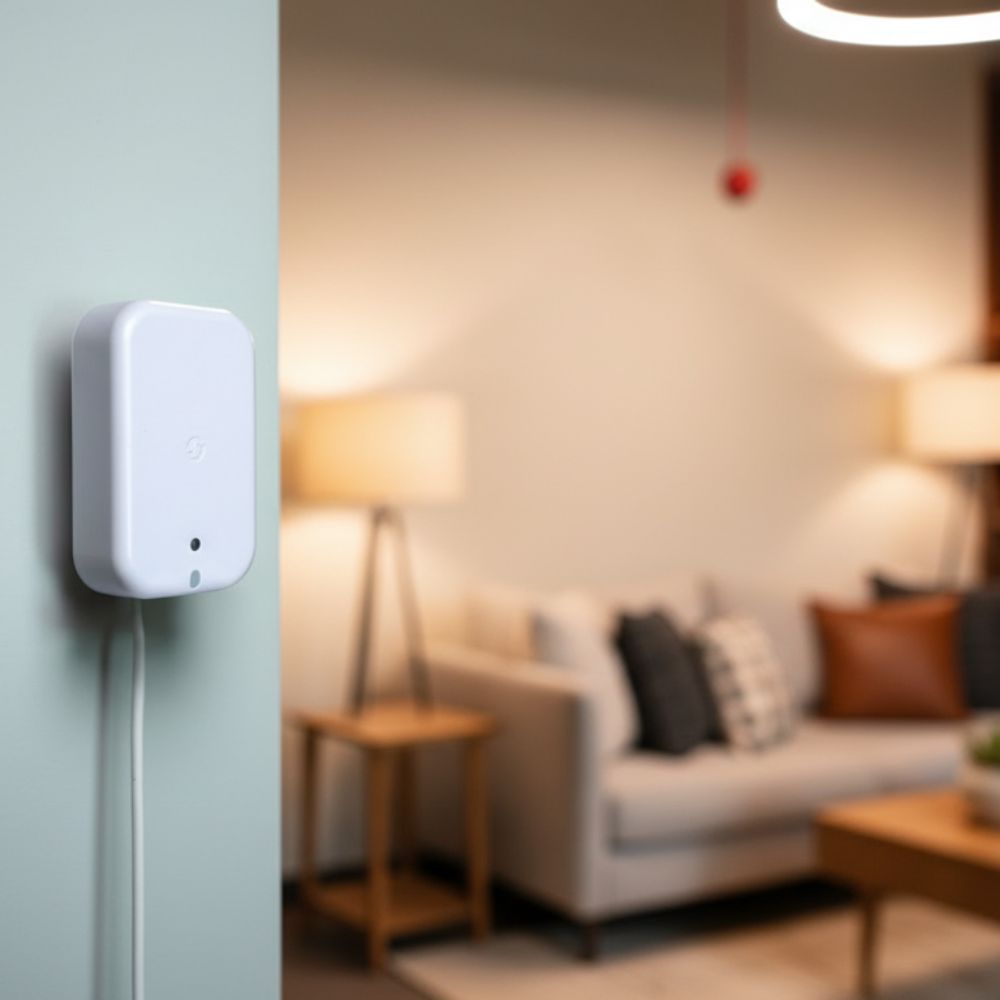
"It is very responsive and tracks all objects perfectly. The temperature is a little "warm" during use, but not excessive. I'm using 3 of them in my home, and they are perfectly integrated into HA. Very Good."
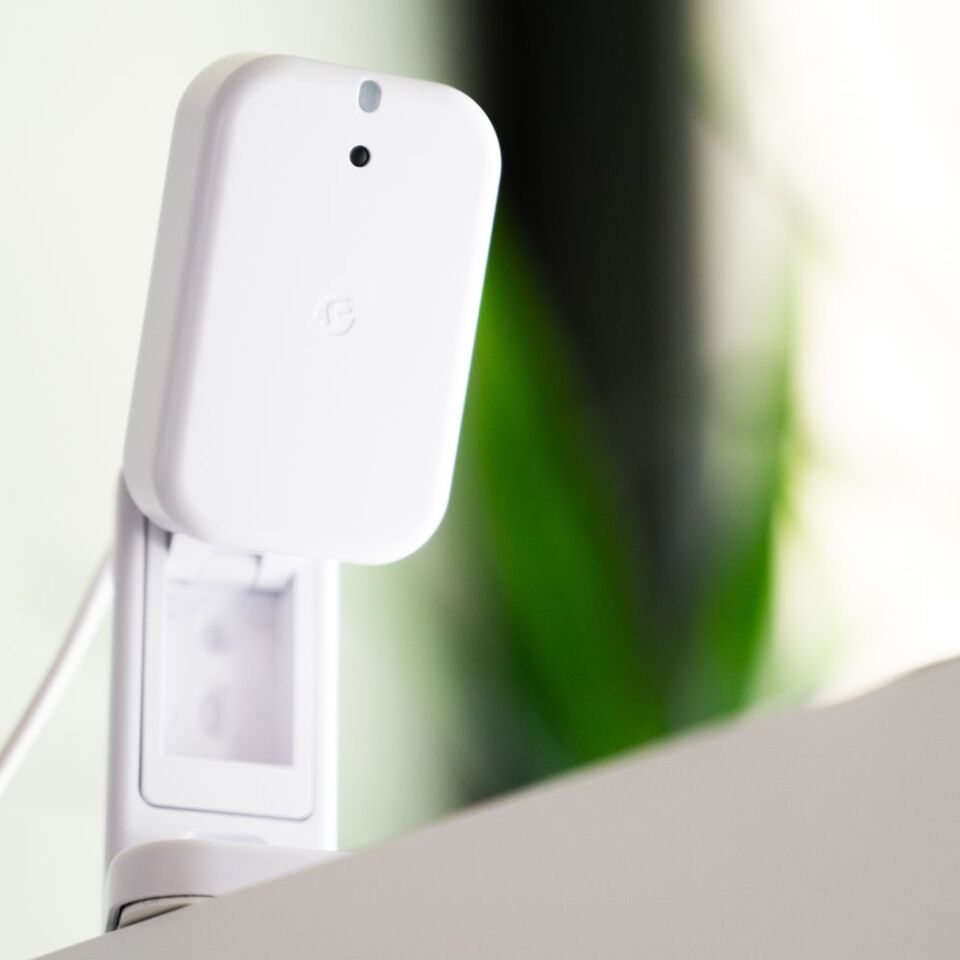
"The best presence senzor U can get. Until now."
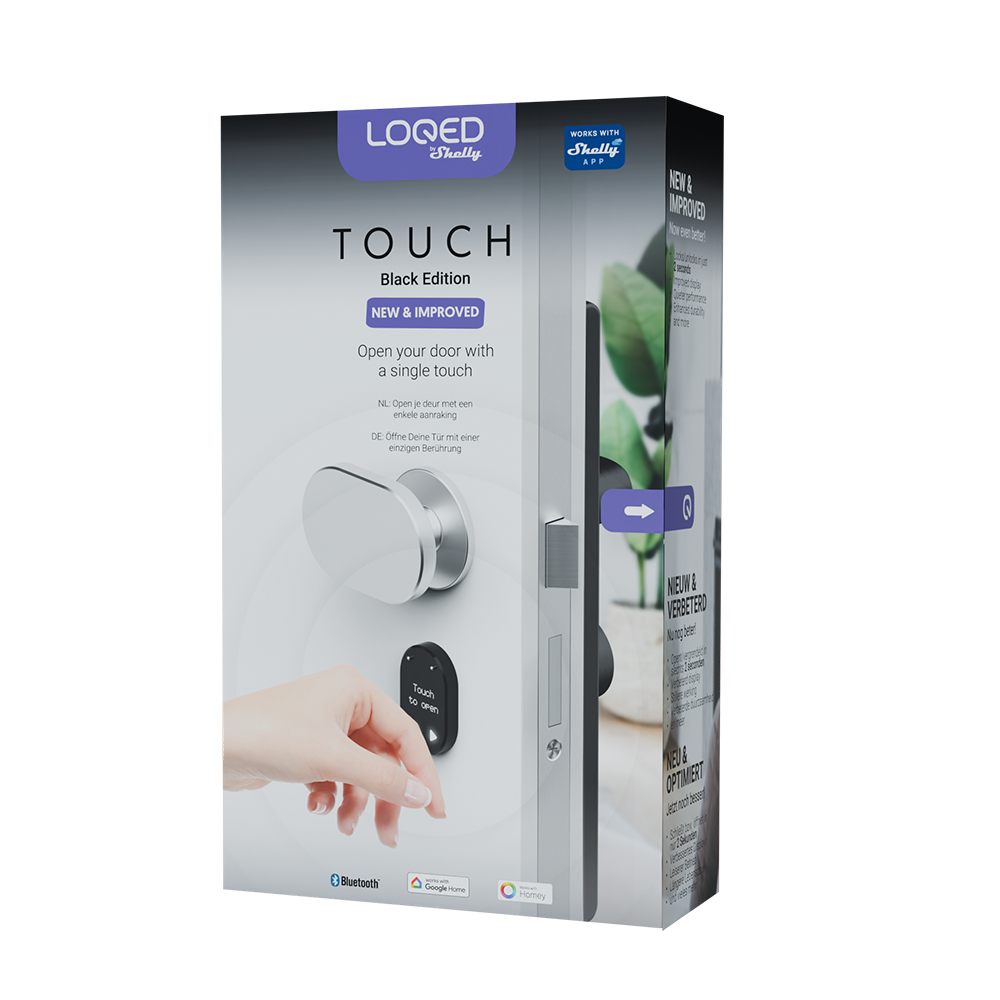
"After one month of use, I can say that the LOQED lock works consistently and reliably. However, the interior handle could be improved: there should be a little more space between the handle and the main LOQED unit, and the handle itself could be longer and shaped more ergonomically to fit the hand better. The display is also rather dim, and the text is not always easy to read through the dark cover. I would appreciate alternative handle designs being offered as accessories."
"Easy setup and works reliably"
"Works as advertised"
The door sensor has a mixed record: several buyers report slow or unreliable updates, and support suggests a firmware update. The lock's reviewers want a fully touch-sensitive screen. The full, unfiltered reviews are on the manufacturer's store.